
Empowering Families: How the Down Syndrome Diagnosis Network Is Changing Lives
When a family receives a Down syndrome diagnosis—whether during pregnancy or at birth—it can be a moment filled with a wide range of emotions: confusion, fear, love, and hope. In those early moments and the years that follow, having the right support can make a world of difference. That’s where the Down Syndrome Diagnosis Network (DSDN) steps in.
Who is the Down Syndrome Diagnosis Network?
The Down Syndrome Diagnosis Network, or DSDN, is a national nonprofit organization dedicated to supporting families who receive a Down syndrome diagnosis for their child. Founded in 2014, DSDN's mission is simple but powerful: to connect, support, and celebrate families as they navigate life with a child with Down syndrome—starting from the very beginning.
What sets DSDN apart is their focus on those first critical days and months after diagnosis. They aim to ensure that every family receives accurate, balanced, and supportive information from medical professionals, and that no parent feels alone in their journey.
How DSDN Helps the Community
1. Connecting New Parents
DSDN operates private, moderated online groups that match parents by their child’s birth year, so they can grow and learn together. These groups provide a safe space for parents to ask questions, share experiences, and support one another through both the joyful and challenging moments.
2. Supporting Medical Providers
DSDN works to improve how Down syndrome is discussed in prenatal and postnatal settings by providing training and resources to healthcare professionals. This ensures that medical teams are delivering a diagnosis with compassion, respect, and up-to-date information.
They offer tools like:
Sample diagnosis delivery guides
Resource handouts for families
Continuing education for medical staff
3. Celebrating Families
Through annual events like Rockin’ Retreats, DSDN brings parents together from across the country for a weekend of empowerment, education, and community. They also run powerful awareness campaigns such as #DearDoctor, where families share stories of how their diagnosis was handled—highlighting both successes and areas for improvement.
4. Providing Ongoing Resources
From diagnosis to early childhood and beyond, DSDN offers resources that help families navigate milestones, educational needs, and inclusion in their communities. Whether it's finding the right therapy, understanding educational rights, or just having someone to talk to—DSDN is there.
Why Their Work Matters
The way a diagnosis is delivered can shape a family’s entire experience. Misinformation or negative framing can leave parents overwhelmed and fearful. But with support from organizations like DSDN, families learn that a Down syndrome diagnosis is not the end—it’s the beginning of a unique and beautiful journey.
By changing the narrative, training professionals, and building a strong community, DSDN is helping families not just survive after a diagnosis—but thrive.
Get Involved
Whether you’re a parent, a medical professional, or someone who simply wants to support inclusion and acceptance, you can be part of the DSDN mission. Visit www.dsdiagnosisnetwork.org to:
Donate or fundraise
Access family support tools
Learn how to improve diagnosis delivery
Share your story
What DSDN means to JuliaJude Bamboo
We have been grateful and proud to be able to donate to this nonprofit organization for the last two years and will donate again for the third year in a row this October. We also have heard so many moving stories from our reps, customers, and friends that have directly been involved with and helped by DSDN.
Final Thoughts
The Down Syndrome Diagnosis Network is more than an organization—it’s a lifeline. For every parent who has ever felt alone or uncertain after receiving a diagnosis, DSDN is there to say: You are not alone. We’ve been there too. And we’re here to help.
Breaking Barriers: Famous Models with Down Syndrome Changing the Fashion World
The fashion industry has long been criticized for its narrow standards of beauty, but in recent years, it’s making strides toward inclusivity and representation. Among the most inspiring changes is the rise of models with Down syndrome who are not only challenging stereotypes but also redefining what it means to be beautiful on the runway and in front of the camera.
Why Representation Matters
People with Down syndrome, a genetic condition caused by the presence of an extra chromosome 21, have historically been underrepresented or misrepresented in media and fashion. The inclusion of models with Down syndrome promotes diversity, encourages acceptance, and sends a powerful message to society: beauty comes in all forms.
Trailblazing Models with Down Syndrome
1. Madeline Stuart
One of the most internationally recognized models with Down syndrome, Madeline Stuart from Australia, has become a beacon of hope and change. Starting her modeling career in 2015, Madeline has walked in New York Fashion Week and modeled for renowned brands around the world. Her presence has helped shatter preconceived notions about disability and beauty.
2. Ellie Goldstein
Ellie Goldstein, a British model with Down syndrome, made headlines when she became the first model with Down syndrome to be featured in a major beauty campaign for Gucci Beauty. Ellie’s radiant smile and confidence have made her a role model for many young people with disabilities.
The Impact Beyond Fashion
The success of these models goes beyond just aesthetics. It promotes social awareness, inclusion, and empathy. It encourages fashion brands to rethink their approach to casting and marketing, ultimately fostering a more inclusive culture where everyone feels seen and valued.
How JuliaJude is Implementing Change
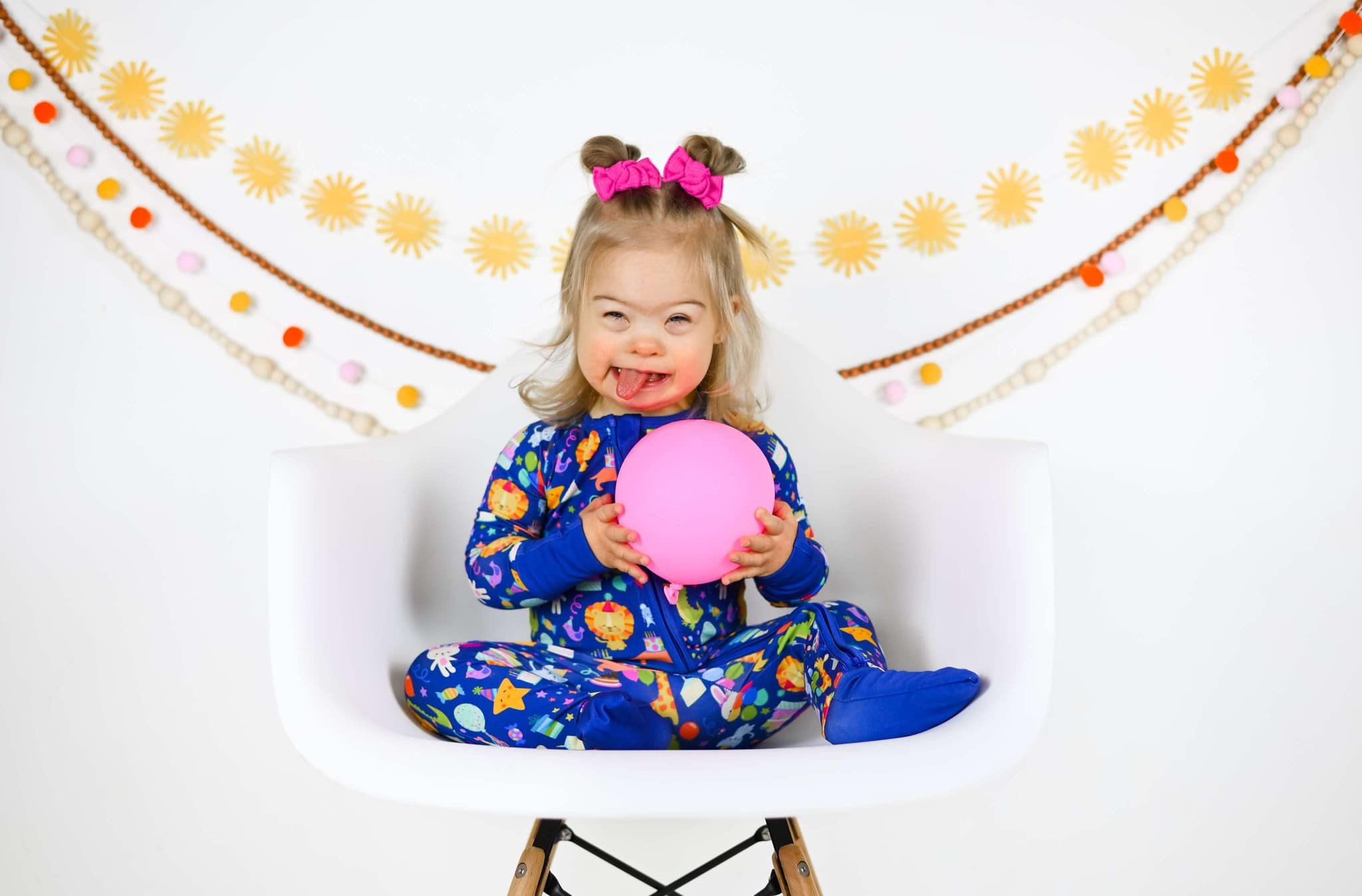
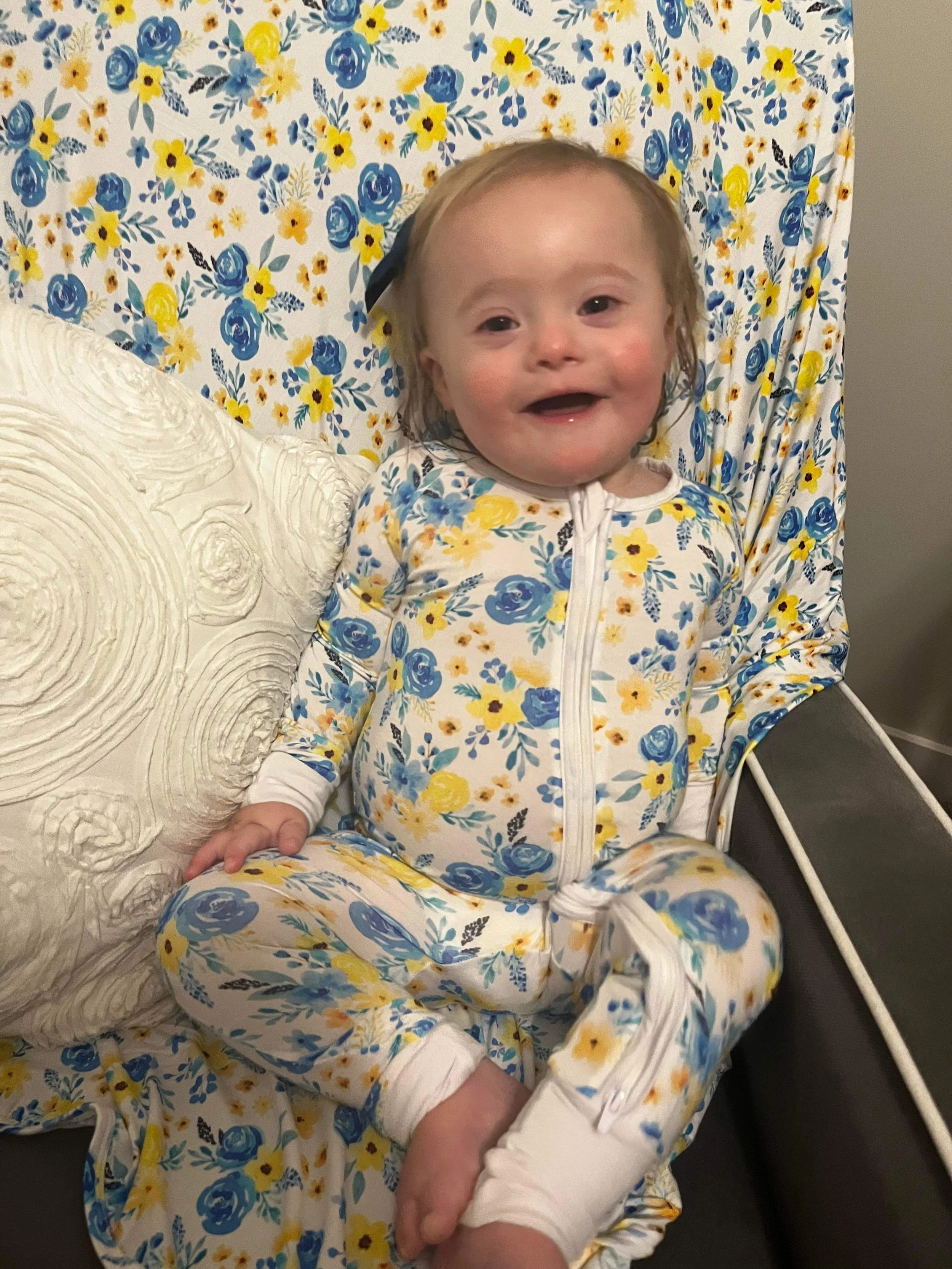
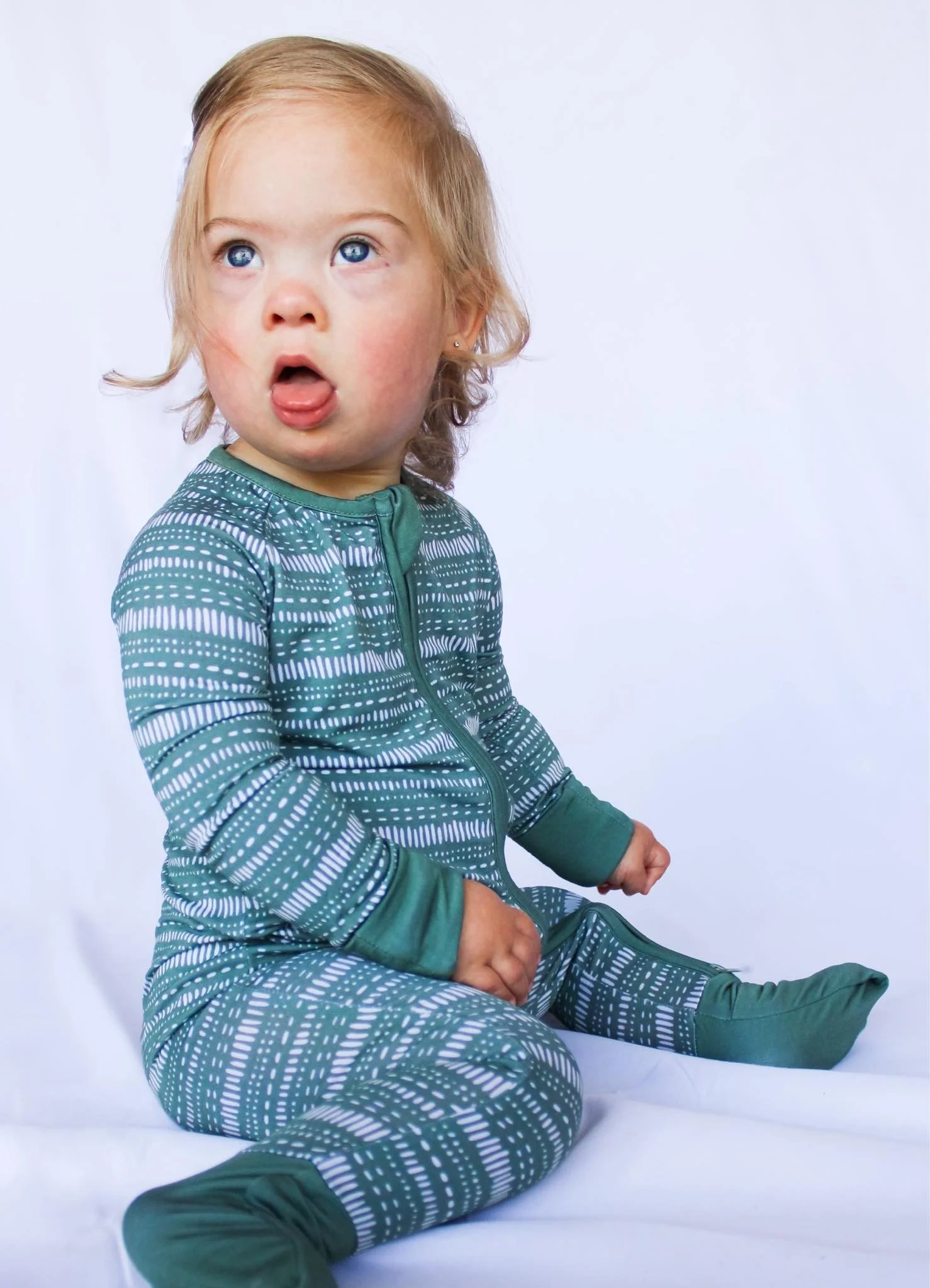
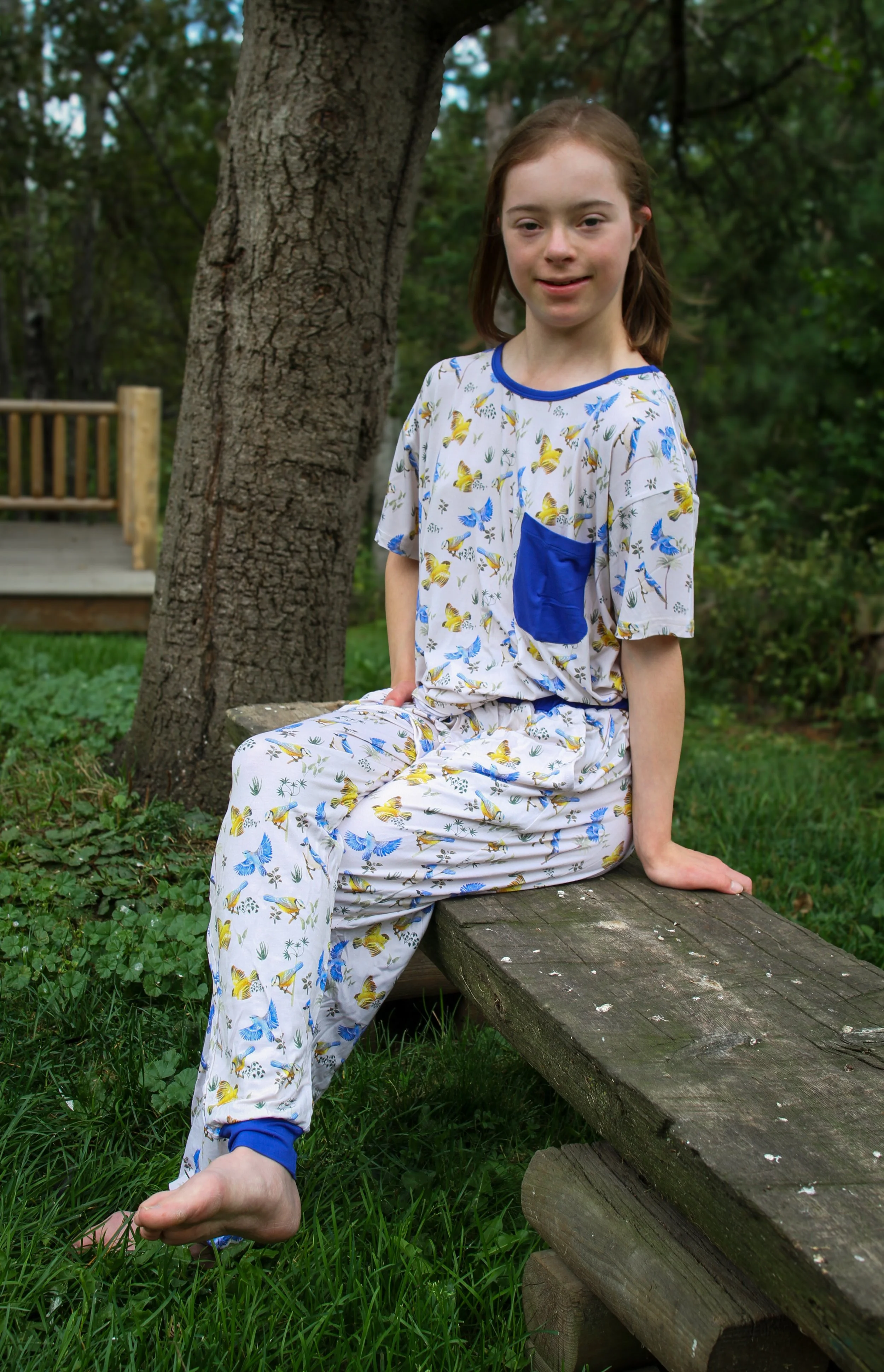
We understand we are small scale when it comes to making a change, but we know that utilizing models with Down Syndrome means more than just a cute photo shoot opportunity to our models. It shows we want to proudly showcase our customer’s beautiful children not only during the month of October, but year round! We want to break social norms of a “perfect” photo; we love the silly faces, the outshining personality, and most importantly uniqueness of each and every child. Here at JuliaJude Bamboo we want to include all into our brand all year long!
Final Thoughts
Models with Down syndrome are not just changing the fashion industry—they’re changing perceptions and inspiring generations. Their presence in the spotlight is a celebration of diversity and a reminder that beauty is multifaceted and limitless.



Understanding Down Syndrome: Embracing Diversity and Inclusion
Down syndrome is a genetic condition that occurs when a person has an extra copy of chromosome 21. This additional genetic material affects physical growth, cognitive development, and sometimes causes certain health challenges. It’s one of the most common chromosomal conditions, occurring in about 1 in every 700 babies worldwide.
What Causes Down Syndrome?
Normally, people have 46 chromosomes in each cell, arranged in 23 pairs. Down syndrome happens when there’s an extra full or partial copy of chromosome 21, which can affect how the body and brain develop.
There are three types of Down syndrome:
Trisomy 21: The most common type, where every cell in the body has three copies of chromosome 21.
Mosaic Down syndrome: Some cells have three copies, while others have the usual two.
Translocation Down syndrome: Part of chromosome 21 becomes attached to another chromosome.
Common Characteristics and Health Considerations
People with Down syndrome may share some physical features such as almond-shaped eyes, a flatter facial profile, and a smaller stature, but every individual is unique. Many also experience developmental delays and mild to moderate disability; although it may take longer for these individuals to learn skills it is proven that therapy and continuous support from those around them have had a large impact in their daily lives and made it easier for them to reach milestones and fulfill life goals!
Health-wise, some may have congenital heart defects, hearing or vision problems, or thyroid conditions, but with proper medical care and early intervention, many live healthy and fulfilling lives.
Early Intervention and Support
Early therapies such as speech, occupational, and physical therapy can help children with Down syndrome develop essential skills. Education tailored to their needs supports learning and independence.
Social inclusion is vital. Encouraging friendships, participation in activities, and community involvement enriches lives and fosters acceptance.
Celebrating Abilities and Potential
People with Down syndrome have diverse talents and contributions. They excel in arts, sports, education, and work. Awareness and inclusion help break down stereotypes and open opportunities.
How Can You Help?
Educate yourself and others about Down syndrome.
Support inclusive education and workplaces.
Celebrate World Down Syndrome Day on March 21 by raising awareness.
Volunteer or donate to organizations supporting individuals with Down syndrome.
Final Thoughts
Down syndrome is not a limitation but a part of human diversity. Every person with Down syndrome deserves respect, love, and the chance to shine. Together, we can build a more understanding and inclusive world.